Vol. I· September 1875· Kanyakumari, Tamil Nadu, India· Price: One Anna
Being an account of the new lighthouse erected at Muttom for the safety of mariners navigating the southern passage
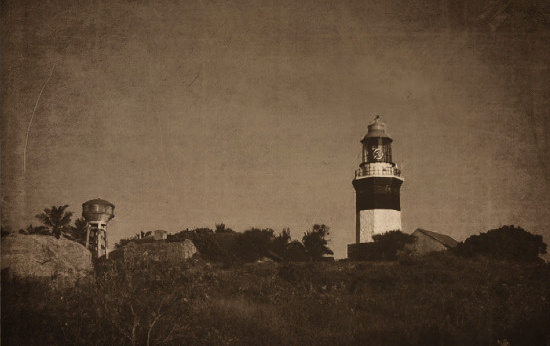
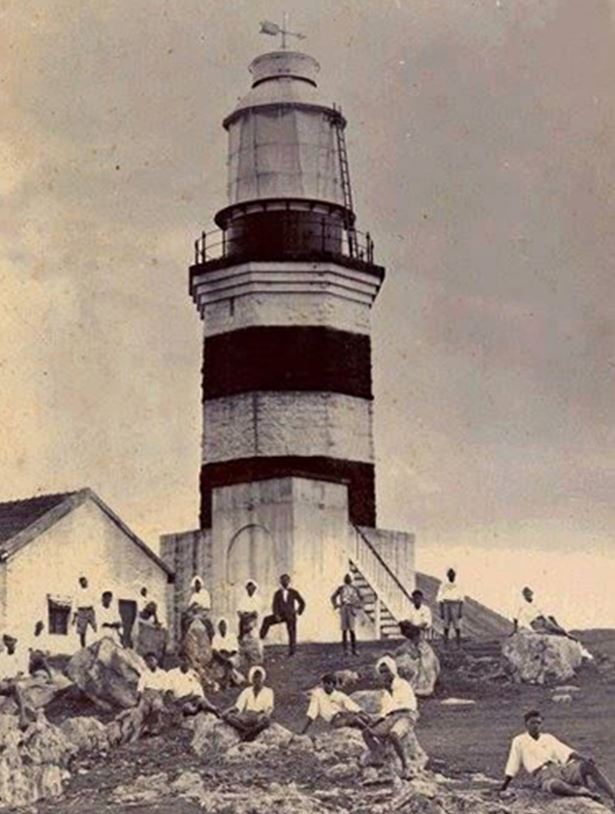
The Hexagonal Granite Tower at Muttom · Photograph circa 1883 · Kanyakumari District
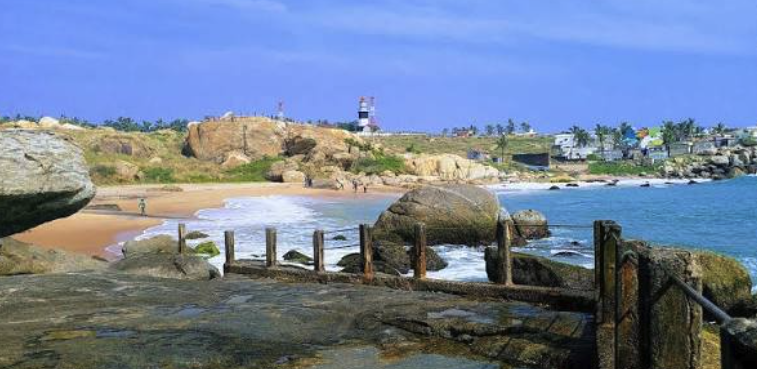
A lighthouse has been established at Muttom point, at the recommendation of Mr. Hugh Crawford, Master Attendant of the Princely State of Travancore. The presence of Crocodile Rock, lying three kilometres offshore, necessitated a permanent aid to navigation at this critical passage.
The Chola dynasty had long recognised the importance of this point. A stone inscription of AD 1063 records the renaming of the village — proof that Muttom has guided maritime movement for a thousand years before this lighthouse cast its first beam.
A Maritime Legacy
From the Chola Dynasty to the Suez Canal era — over a thousand years of maritime heritage at the southern tip of India
Context
The proposal for a lighthouse at the southern tip of the Indian subcontinent was first propounded by the British Government in the latter half of the 19th century. The shipping industry anticipated a surge in trade between Europe and Asian countries following the opening of the Suez Canal.
Until then, European ships sailing towards Asian ports had to take the route discovered by Vasco da Gama, encircling the entire African coast. The Suez Canal opened a safe path, connecting the Red Sea with the Arabian Sea and circumventing the fury of the Atlantic.
Suez Canal opens, transforming trade between Europe and Asia — and making Muttom's lighthouse essential for the new shipping lane.
Traders and insurance companies demanded lighthouses at Cape Comerin (Kanyakumari) and Minicoy Island to make the shipping channel between the Red Sea and the southern tip of India safer for mariners. They wanted a referral point at the southernmost tip of India.
The Choice
Mr. Hugh Crawford, then Master Attendant of the Princely State of Travancore, suggested Muttom as the apt point to erect the proposed lighthouse. The presence of Crocodile Rock — lying 3 kilometres off Muttom point — was the reason behind such a proposition.
The land required for the erection of the lighthouse was donated free of cost by the Princely State of Travancore, making Muttom the chosen sentinel of the southern sea lane.
Muttom, a sleepy fishermen's village then, had strong connections with the Chola dynasty that had ruled the entire South India. The site was not merely convenient — it was historically significant, a point where centuries of maritime activity had always converged.
The distance of the dangerous Crocodile Rock from Muttom point — the primary reason Hugh Crawford chose this location.
Ancient Heritage
Raja Raja Cholan I
947 – 1014 CE
Statue · Thanjavur
No contemporary portrait survives.
Modern statue, Thanjavur.
The Chola kingdom, one of the longest-ruling dynasties in the world, treated Muttom as an important point. A stone inscription of AD 1063, on the eastern wall of Thirunandhikkarai temple — around 30 kilometres from the lighthouse — corroborates the renaming of Muttom village as MummudiCholanellur by Great Raja Raja Cholan I, to mark his visit to the village.
The Roman and Greek ships had to circumnavigate this tip to reach the prestigious ancient port Pukar of the Cholas. Legends say that the Maldives also was under Chola rule, and the erection of a fort on the islet may have aimed to warn mariners about the dangers of Crocodile Rock.
The Cholas erected a fort on one of the two islets off Muttom shore to keep an eye on ship movement. The fort remained until the end of the 18th century, when it was toppled by waves of the Arabian Sea. In the first half of the 19th century the two islets — Kota and Aduma — were also taken by the raged waves. Muttom Lighthouse can be considered the continuation of the aid to navigation first erected by the Chola Dynasty.
The Structure
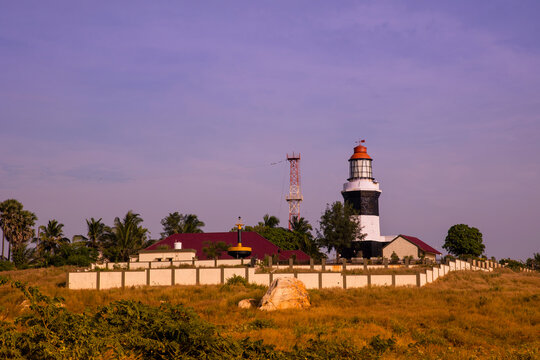
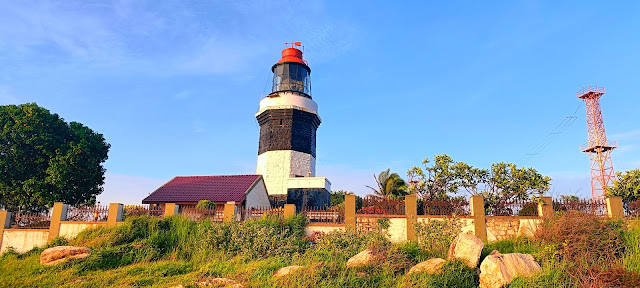
A 20-metre-high stone tower was erected on Muttom hillock and a fixed light was commissioned in September 1875. The southern tip of India finally had its maritime sentinel.
A new granite stone tower — hexagonal in shape and painted with black and white horizontal bands — was built as part of an upgradation of the lighting apparatus.
The new 1st order Dioptric fixed apparatus was commissioned on New Year's Day 1883 — a landmark upgrade bringing state-of-the-art optics to the southern sea lane.
The light was converted to a flashing light using a second order revolving optic. The same apparatus remains in use today, with the illuminant changed from a petroleum vapour burner to an electric lamp.
The Directorate of Lighthouses & Lightships established a Heritage Lighthouse Maritime Museum on 19th November 2017, preserving this rich history for future generations.
Conservation
The lighthouse is conserved in pristine shape by the Directorate General of Lighthouses and Lightships. It has been working without any interruption since its establishment — a record of continuous service spanning over 150 years.
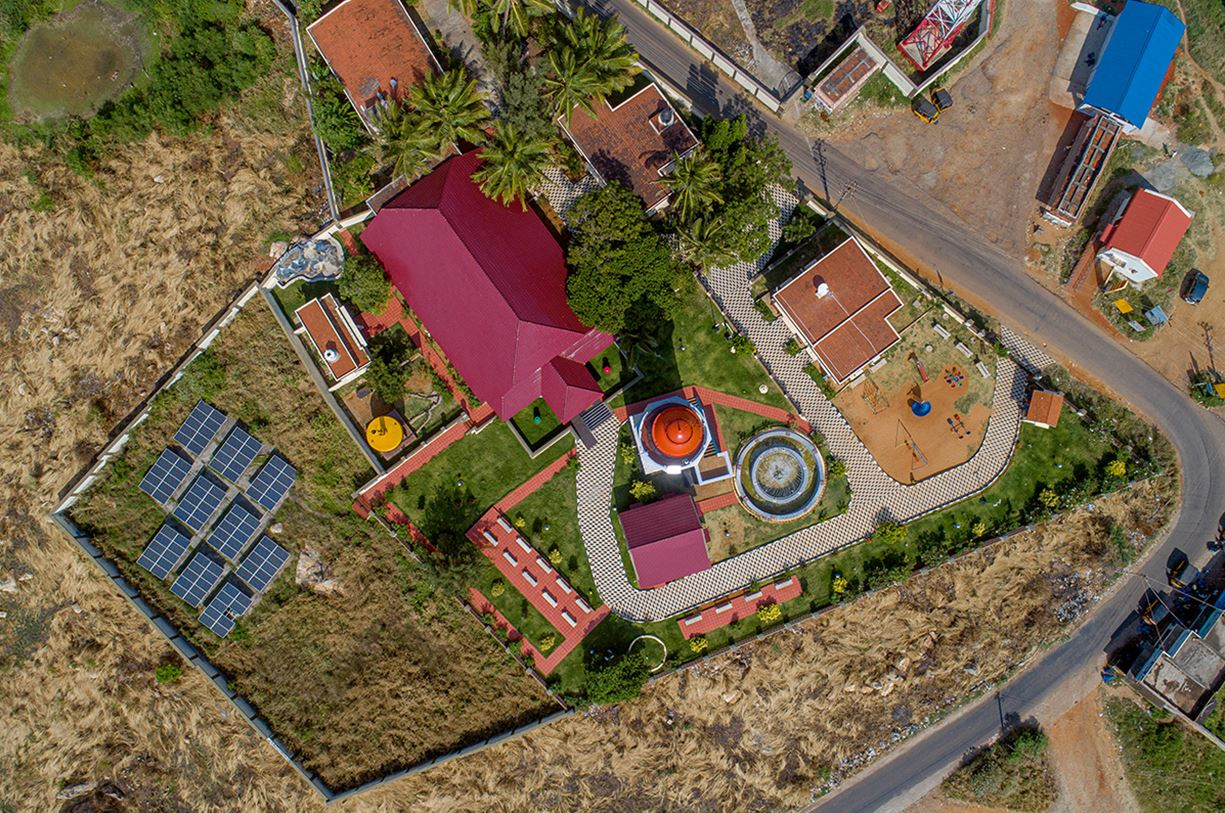
The Directorate never replaced the beautiful original apparatus with small acrylic lenses to save energy. Instead, they provided green energy by installing sufficient solar panels — preserving heritage while embracing sustainability.
The Lighthouse Through the Lens
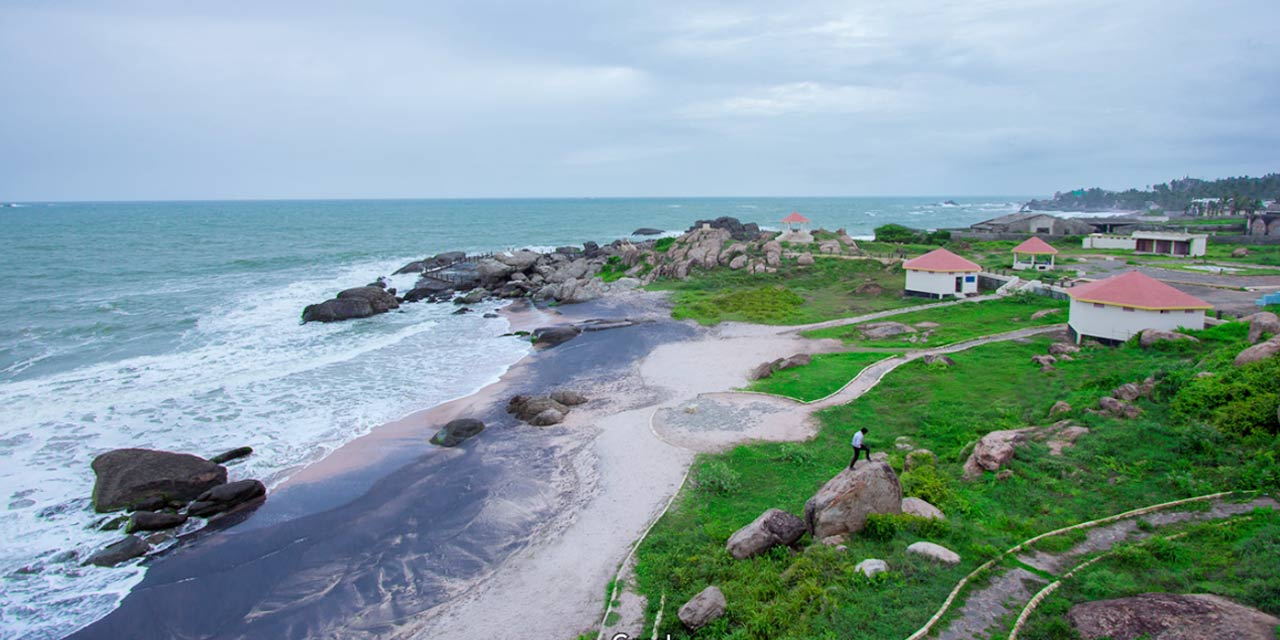
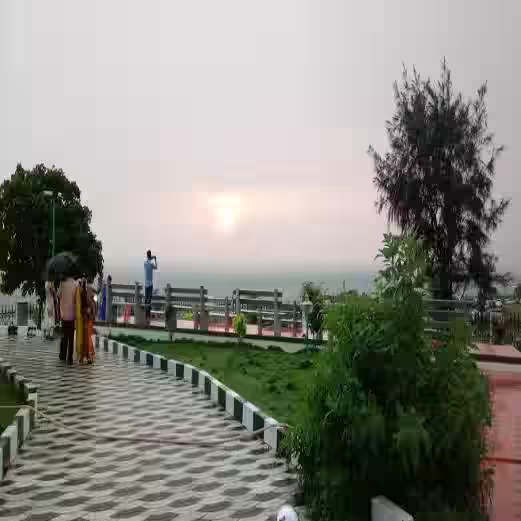
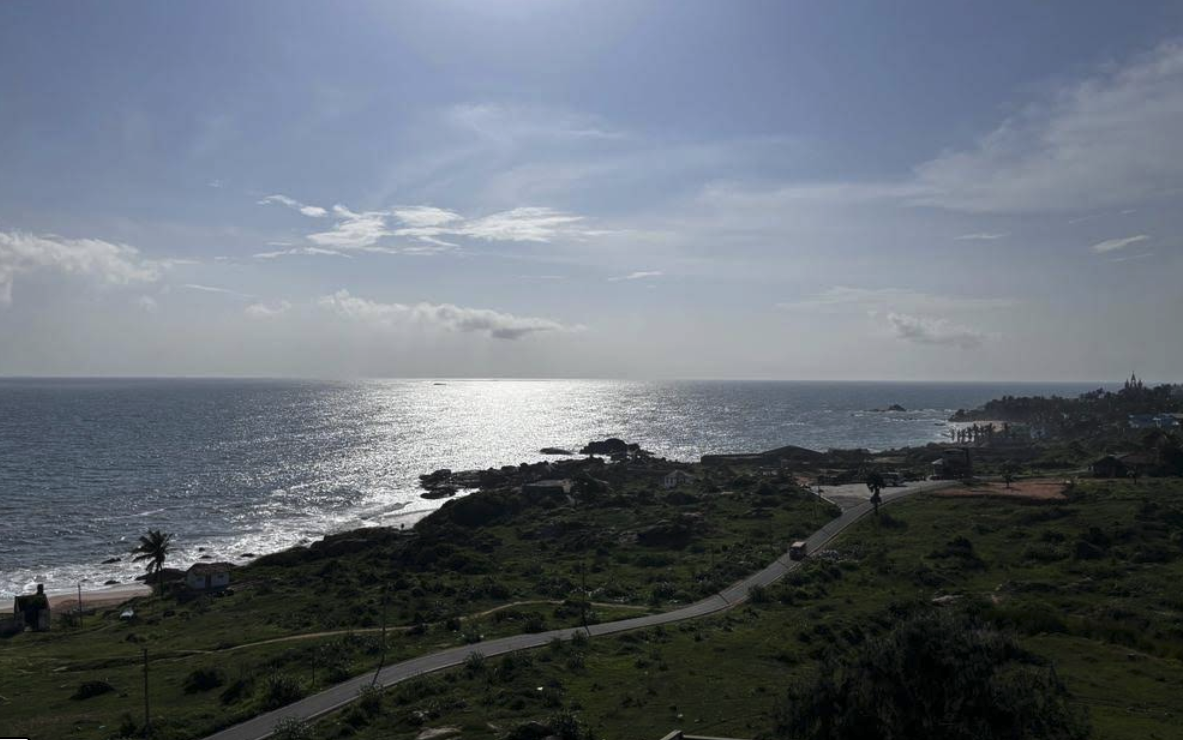
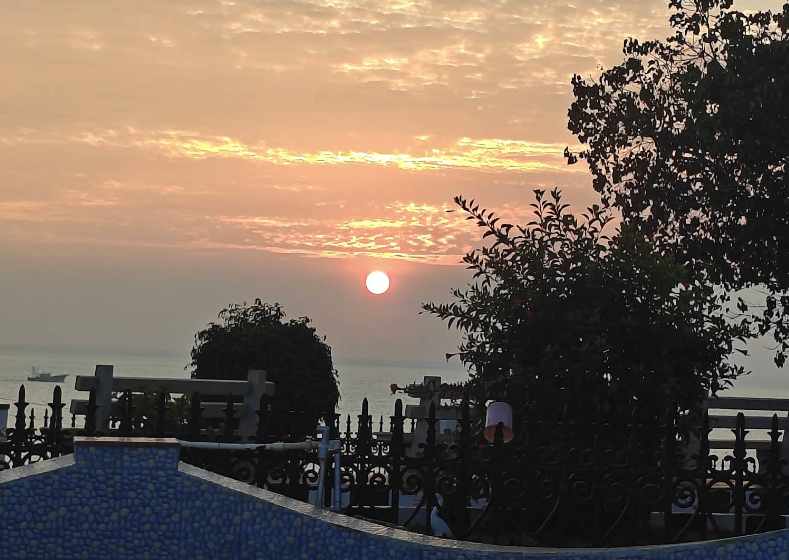
Ten photographs of Muttom Lighthouse — its tower, coast, and surroundings
Come Find the Light
Open to all visitors — explore a living piece of India's maritime heritage
Open all days of the week except Monday. The lighthouse welcomes visitors every other day throughout the year.
Approximately 100 visitors on normal days. On weekends and public holidays, this figure crosses 250 visitors.
Muttom Village, Kanyakumari District
Tamil Nadu — 629 704
Coordinates: 8°10'N,
77°19'E
Lighthouse staff personally accompanies student groups to explain the functioning of the lighthouse and its historical role in navigation.
Find Us
Getting Here
Muttom is approximately 15 km from Kanyakumari town. Auto-rickshaws and private cabs are available from Kanyakumari bus stand and railway station.
Nagercoil is about 25 km away and is well-connected by rail and road to all major cities in Tamil Nadu and Kerala.
Kanyakumari Railway Station is the nearest major station. Trains connect from Chennai, Trivandrum, and other major cities.
Trivandrum International Airport in Kerala is the nearest airport, approximately 90 km from Muttom via NH 66.
Heritage Lighthouse Maritime Museum
Established 19th November 2017 — preserving the history of navigation, trade, and the evolution of light
About the Museum
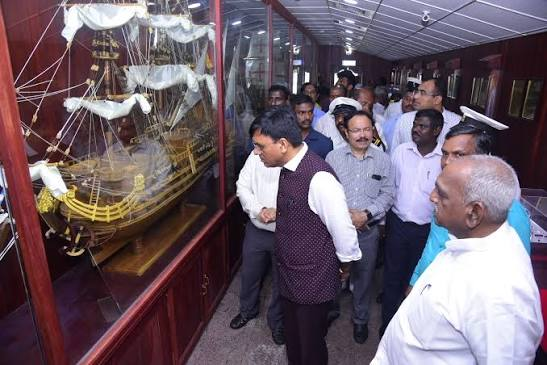
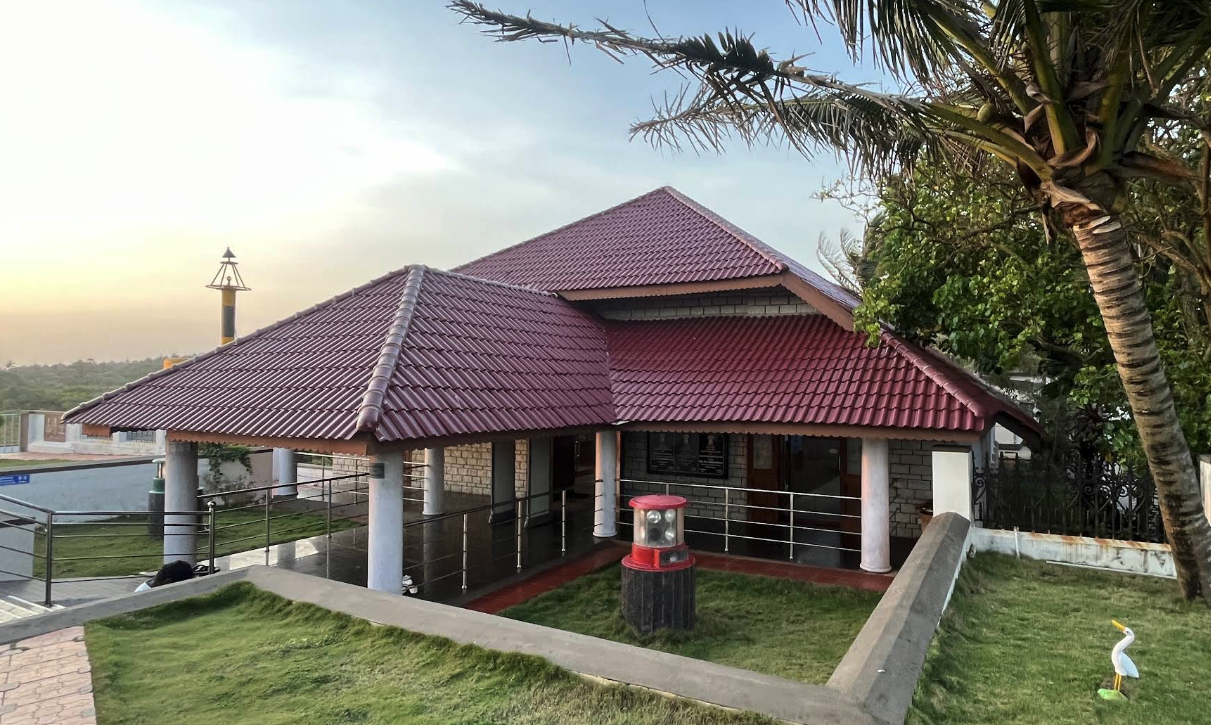
As a part of improving tourism in lighthouses, the Directorate of Lighthouses and Lightships established the Heritage Lighthouse Maritime Museum on 19th November 2017. The museum is set up in the old Lighthouse Superintendent's quarters, converted without losing the heritage value of the building.
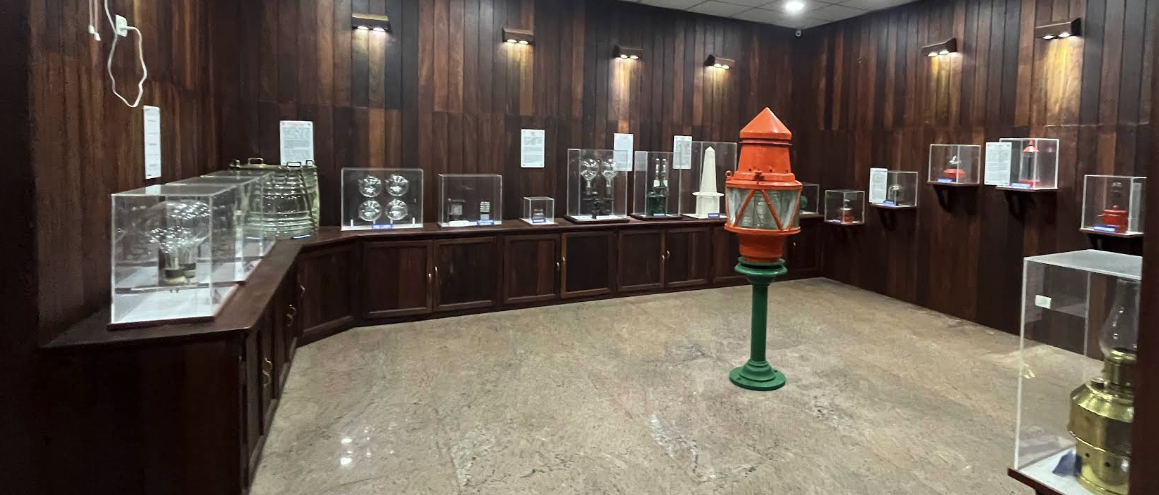
The museum passes valuable information about the history of navigation, trade, and the evolution of lights and lighthouses — making it one of the most unique maritime heritage experiences in southern India.
The lighthouse and museum are open to the public every day except Monday. On normal days, the museum receives around 100 visitors. On weekends and holidays, this crosses 250 — a testament to its growing popularity as a heritage destination.
The year the Heritage Lighthouse Maritime Museum was officially opened to the public — inside the original Superintendent's quarters.
What to See
Replicas of sailing ships, steamers, naval and coast guard vessels illustrate the evolution of maritime transport through the centuries.
From Wick lamps to LED — follow the complete history of lighthouse illumination, with original artefacts from different eras on display.
The master attraction — the original 1st order optic from Vengurla Rock lighthouse, one of the most powerful maritime lenses ever deployed on India's coast.
Interactive kiosks provide additional information on museum exhibits, complementing the trilingual information boards placed alongside every display.
A mini hall within the museum screens short films about the history of navigation and lighthouses — free of charge for all visitors.
Lighthouse staff personally accompany student groups to explain the functioning of lighthouses and their vital role before electronic navigation.
The Human Story
The men who kept the light — 150 years of unbroken service, dedication, and craftsmanship
The Guardians
Behind every flash of the Muttom light is a human story. For over 110 years, the Light Keepers of Muttom Lighthouse have maintained the bull's eye lenses and prisms of the second order optic without a single chipping. Day after day, year after year, they have polished the brass and glass components to a mirror shine — keeping the light uninterrupted through storms, monsoons, and the passage of time.
The Directorate General of Lighthouses and Lightships has never replaced the beautiful original apparatus with smaller, more efficient acrylic lenses. Instead, they installed solar panels to provide green energy — honouring the craftsmanship of the keepers while embracing sustainability.
"The incredulous look of visitors on seeing the brass parts shining like gold has always inspired them."
— Directorate General of Lighthouses & Lightships, Nomination Form, 2020
The lighthouse has operated without interruption since its establishment in 1875 — never once going dark. The keepers have ensured this record holds across every generation.
The bull's eye and prisms of the original optic have been maintained for over a century without a single chip or crack — a remarkable testament to the keepers' care.
Rather than replacing the heritage apparatus, the Directorate installed solar panels to power the lighthouse sustainably — preserving the past while protecting the future.
The Superintendent's Quarters
The old Lighthouse Superintendent's quarters has been converted into the Heritage Lighthouse Maritime Museum — without losing the heritage value of the original building. Visitors can now walk through spaces once occupied by the keepers, surrounded by the artefacts and history they preserved.